
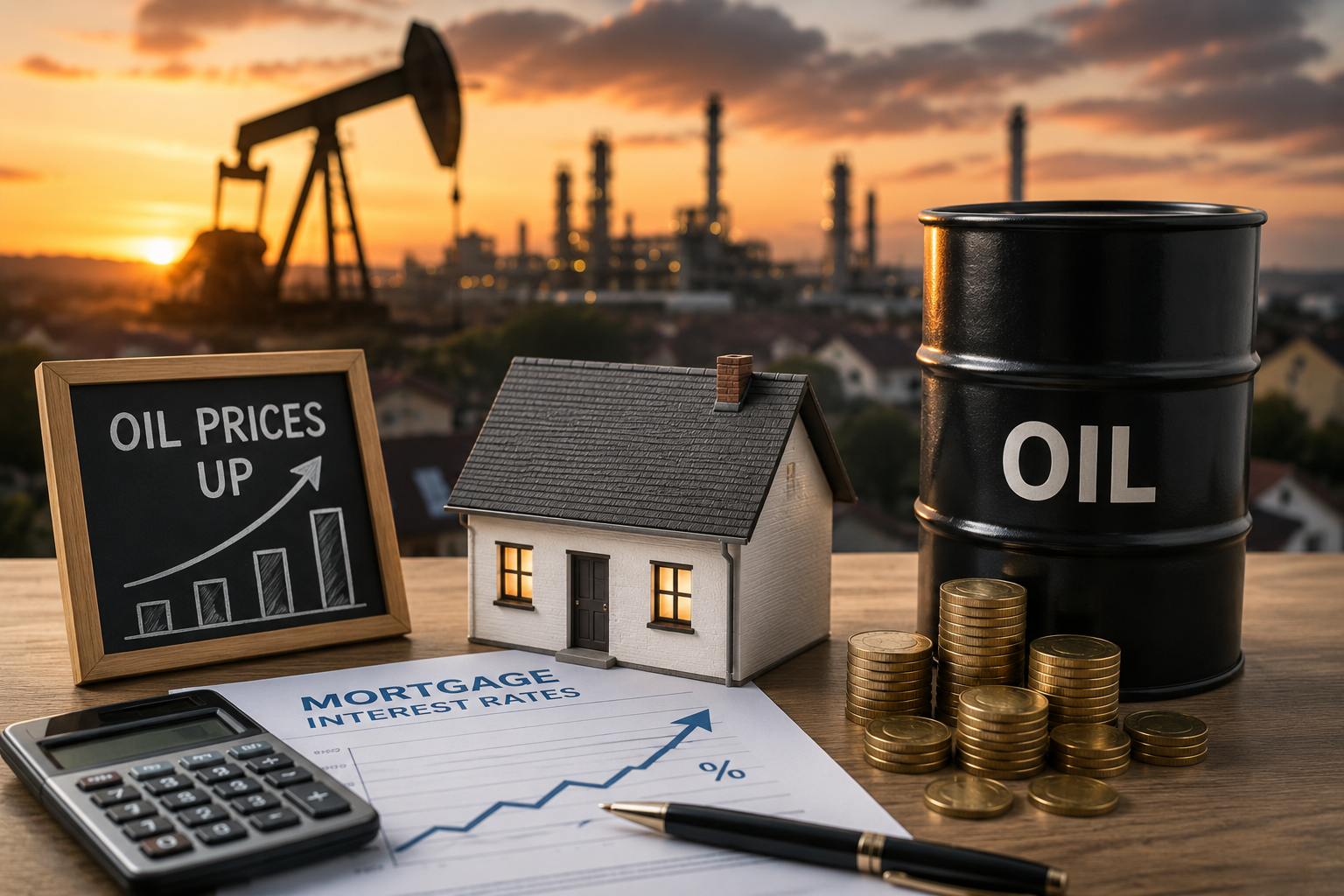
When people think about mortgage interest rates, they usually focus on the Bank of England base rate, inflation, or house prices. However, global events can also play a surprisingly important role, including changes in oil prices.
Rising oil prices can affect the wider economy, household spending, inflation, and ultimately the direction of mortgage rates in the UK. While the connection may not seem obvious at first, the two are more closely linked than many homeowners realise.
For homeowners, first-time buyers, and anyone considering remortgage advice, understanding how these economic factors interact can help when deciding whether to fix a mortgage rate or review borrowing options.
Why Oil Prices Matter to the Economy
Oil remains a major part of the global economy. It affects:
Transport costs
Manufacturing costs
Energy bills
Food prices
Business operating expenses
When oil prices rise sharply, businesses often face higher running costs. These additional costs are frequently passed on to consumers through increased prices for goods and services.
This contributes to inflation, which is one of the biggest factors influencing UK interest rates.
How Inflation Influences Mortgage Rates
The Bank of England closely monitors inflation when setting interest rates.
If inflation rises too quickly, the Bank may increase the base rate to help slow spending and stabilise prices. Higher base rates often lead to increased mortgage interest rates across the market.
This means that if rising oil prices contribute to inflationary pressure, mortgage rates can also rise as a knock-on effect.
For homeowners in areas such as Brentwood, Shenfield, Billericay, and surrounding Essex towns, this can impact monthly repayments, affordability calculations, and remortgage decisions.
Why Fixed Mortgage Rates Can Change Quickly
Mortgage lenders do not only look at today’s base rate. They also assess:
Future inflation expectations
Global economic risks
Energy market instability
Financial market confidence
If oil prices suddenly rise because of geopolitical tensions or supply concerns, lenders may react by adjusting fixed mortgage rates even before the Bank of England changes interest rates.
This is why mortgage products can sometimes change rapidly during periods of economic uncertainty.
For borrowers considering remortgages, delaying decisions during volatile periods can occasionally result in higher rates becoming available later.
How Higher Oil Prices Affect Household Budgets
Even if your mortgage rate stays the same, rising oil and energy costs can still affect affordability.
Lenders assess household spending carefully during mortgage applications. Increased costs for fuel, utilities, and general living expenses may reduce the amount some people can borrow.
This is particularly relevant for:
First-time buyers
Self-employed applicants
Landlords with buy-to-let mortgages
Homeowners coming off fixed-rate deals
In some cases, borrowers may need to review budgets more carefully before applying for a new mortgage or refinancing existing borrowing.
What This Means for Homeowners and Buyers
The relationship between oil prices and mortgage rates is not always immediate or direct, but it does form part of the wider economic picture.
If markets expect inflation to remain high due to energy costs, mortgage pricing may remain higher for longer than borrowers hope.
That does not necessarily mean people should rush into decisions, but it does highlight the value of taking professional mortgage advice based on current market conditions and personal circumstances.
Every borrower’s situation is different. The right solution for one homeowner may not be suitable for another.
The Importance of Reviewing Your Mortgage Regularly
Many homeowners focus heavily on property values but pay less attention to changing economic conditions.
Reviewing your mortgage regularly can help you:
Understand when your current deal ends
Avoid moving onto higher standard variable rates
Assess whether fixing your rate still makes sense
Review affordability as household costs change
It can also be a good opportunity to review related protection policies such as income protection or life and critical illness insurance, particularly during periods of economic uncertainty.
Key Things to Remember
Oil prices alone do not directly set mortgage rates, but they can influence inflation and wider financial markets.
Mortgage rates are affected by a combination of:
Bank of England policy
Inflation levels
Global economic conditions
Lender confidence
Financial market expectations
This is why mortgage rates can move even when the base rate itself has not changed.
Mortgage approval is always subject to status, affordability, and lender criteria.
Your home may be repossessed if you do not keep up repayments on your mortgage.
Conclusion
Global oil prices may seem far removed from your mortgage, but they can have a genuine impact on borrowing costs and household finances in the UK.
Understanding the wider economic picture can help homeowners and buyers make more informed decisions about fixed rates, remortgaging, and long-term affordability.
If you are approaching the end of a fixed deal or want to understand how changing market conditions could affect your options, speaking to a professional mortgage adviser can provide clarity tailored to your circumstances.